

The Ultimate Guide to Choosing the Perfect Wall Style for Your Bathroom
- Alejandro Giraldo
- 5 ene
- 5 min de lectura

Actualizado: 3 mar

The bathroom is one of the most personal and meaningful spaces in any home. It is where we begin our mornings preparing for the day and where we unwind at night, washing away stress and fatigue. Because of this, the bathroom should be more than just a functional area—it should feel comfortable, calming, and visually pleasing. One of the most powerful elements in shaping that atmosphere is the choice of wall style.
Walls do far more than hold a room together. They define its mood, influence how large or small it feels, and determine how practical the space will be in the long run. A well-chosen wall finish can make a bathroom feel luxurious, fresh, modern, or warm, while a poor choice can lead to constant maintenance, moisture damage, and a design that feels outdated or uncomfortable.
This guide will walk you through the most popular bathroom wall styles, explain their advantages and drawbacks, and provide design tips to help you choose an option that fits both your lifestyle and your aesthetic preferences.
Understanding the Importance of Wall Selection
Choosing the right wall style for your bathroom goes far beyond visual appeal. Bathrooms are high-moisture environments, exposed to steam, splashes, and frequent temperature changes. Materials that work beautifully in living rooms or bedrooms may fail quickly when exposed to this kind of humidity.
Your wall selection affects durability, hygiene, and long-term maintenance. The right surface can resist mold, prevent water damage, and remain beautiful for years, while the wrong one can peel, warp, or stain in a matter of months.
A well-designed bathroom balances form and function. Ideally, your walls should be attractive, easy to clean, and capable of withstanding daily use without losing their finish or structural integrity.
Key Considerations When Selecting Wall Styles
Before settling on a particular style or material, it is important to evaluate the practical conditions of your bathroom. Moisture resistance should always be a top priority. Walls near showers, tubs, and sinks must be able to handle constant exposure to water and steam without deteriorating. Durability is equally important. Bathrooms experience heavy use, so wall finishes should resist scratches, stains, and general wear. Ease of maintenance can make a significant difference in everyday life. Smooth, non-porous surfaces are much easier to clean and less likely to harbor mold or bacteria. Finally, aesthetic appeal ties everything together. The wall style should complement your flooring, fixtures, lighting, and overall home design, creating a cohesive and harmonious space.
Popular Wall Styles for Bathrooms
Painted Walls
Painted walls remain one of the most common and affordable options for bathrooms. With modern moisture-resistant paints, it is possible to achieve a clean, stylish look without a high cost.
Paint allows for endless color possibilities. Soft neutrals create a spa-like atmosphere, while deep blues, greens, or charcoal tones can make the space feel elegant and dramatic. Light colors reflect more light and can make small bathrooms feel more open and airy.
However, painted walls may need occasional touch-ups in areas with heavy moisture. Choosing high-quality bathroom paint and proper ventilation helps extend their lifespan.
Ceramic Tile
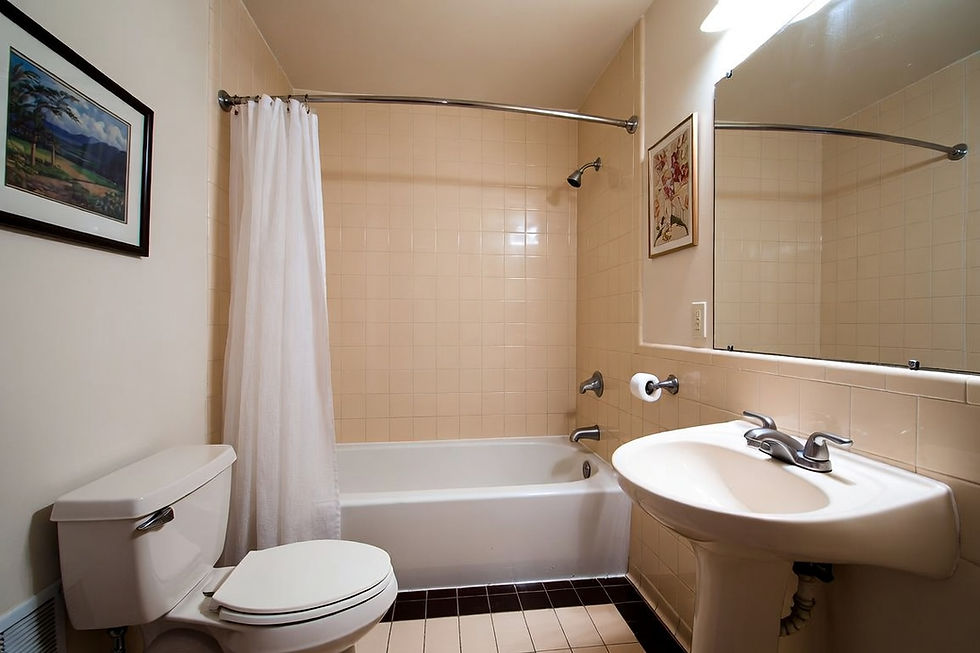
Ceramic tile is a classic choice for bathroom walls, valued for its durability, water resistance, and design flexibility. It works well for full walls, shower enclosures, and accent areas.
Subway tiles offer a timeless look that suits both traditional and modern bathrooms. Mosaic tiles add texture and visual interest, making them perfect for feature walls or decorative bands. Large-format tiles create a clean, seamless appearance with fewer grout lines, which also means easier cleaning.
While tile installation requires more upfront investment and professional labor, the result is long-lasting and highly practical.
Vinyl Wall Coverings
Vinyl wall coverings are an increasingly popular option for bathrooms, especially for homeowners seeking a budget-friendly and stylish solution. These coverings can mimic wood, stone, or fabric textures while remaining fully water resistant.
They are easy to install, particularly in peel-and-stick formats, and require minimal maintenance. Vinyl is also comfortable to the touch and warmer than tile or stone.
In very high-traffic bathrooms, however, vinyl may not be as durable as ceramic or stone, so it is best used in spaces with moderate use.
Wood Paneling
Wood adds warmth and character to a bathroom, making it feel more like a living space than a utility room. When properly treated and sealed, certain types of wood can perform well in humid environments.
Shiplap panels create a charming, coastal or farmhouse look, while teak and bamboo provide a more modern and natural aesthetic. These woods are naturally resistant to moisture and are often used in spas and luxury bathrooms.
Proper sealing and ventilation are essential to prevent warping or decay, but when maintained correctly, wood paneling can be both beautiful and durable.
Stone Accents
Natural stone brings a sense of luxury and timeless elegance to any bathroom. Marble, granite, slate, and travertine can be used for accent walls, shower surrounds, or behind freestanding tubs.
Stone surfaces are incredibly durable and visually striking, adding texture and depth to the space. However, they do require regular sealing and careful cleaning to maintain their appearance and prevent staining.
This option is ideal for homeowners seeking a high-end, spa-like environment.
Glass Panels
Glass panels offer a sleek, contemporary look that works especially well in modern bathrooms. They are often used in showers or as decorative wall sections. Glass reflects light, making the room feel larger and brighter. It also provides a clean, minimalist aesthetic. The main drawback is maintenance, as water spots and fingerprints are more visible, requiring frequent cleaning to keep the surface pristine.
Design Tips for Choosing Wall Styles
The size and layout of your bathroom should influence your choices. Smaller bathrooms benefit from lighter colors and vertical patterns, which make the space feel taller and more open. Larger bathrooms allow for darker shades, bold textures, and statement walls. Mixing materials can create visual interest without overwhelming the room. For example, you might use tile around the shower and paint on the remaining walls, or pair stone accents with smooth, neutral finishes.
Accessories such as mirrors, shelves, and towel racks should complement your wall style. These elements not only improve functionality but also reinforce the overall design. Lighting is another key factor. Natural and artificial light affect how colors and textures appear, so it is important to consider how your walls will look at different times of day. Before making a final decision, testing samples in your actual bathroom is always wise. Observing them in real lighting conditions helps avoid surprises.
Sustainable Options for Eco-Conscious Homeowners
Environmentally friendly materials are becoming more accessible and more stylish. Reclaimed wood, recycled glass tiles, and low-VOC paints offer both beauty and sustainability. These materials often improve indoor air quality and reduce environmental impact, while also adding unique character to your bathroom.
Final Thoughts
Choosing the right wall style for your bathroom is an investment in both comfort and design. By carefully balancing durability, maintenance, and visual appeal, you can create a space that is not only beautiful but also practical and long-lasting. Whether you prefer the timeless elegance of ceramic tile, the warmth of wood, or the modern feel of glass, the right walls can transform your bathroom into a true personal retreat. With thoughtful planning and quality materials, your bathroom will become a place you enjoy every single day.


Comentarios