

Bathroom Renovation Trends: How Bathrooms Have Changed Over the Years

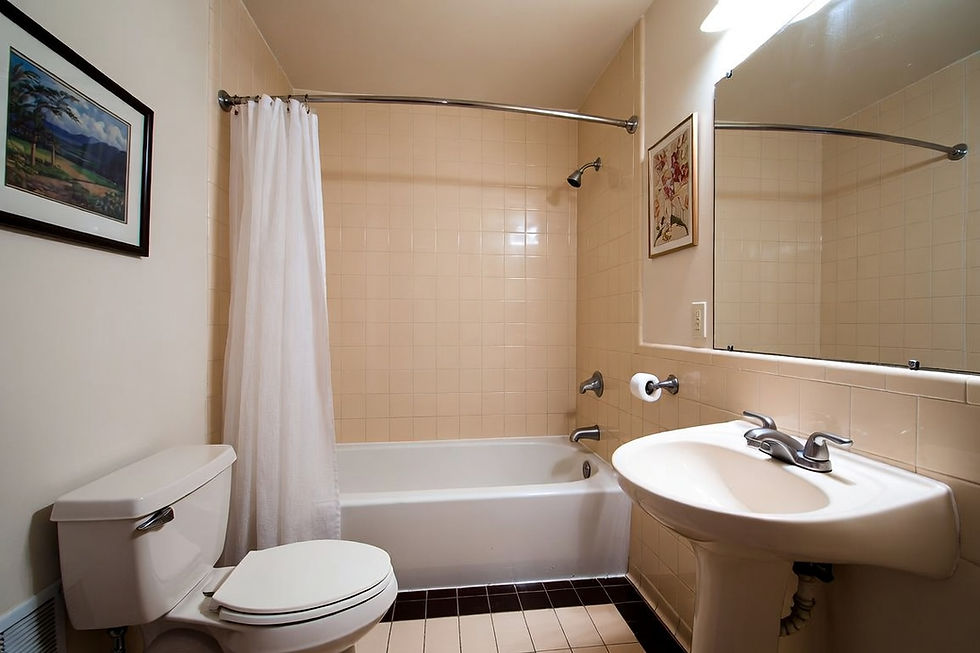
Over the last 20 years, bathroom renovation has changed dramatically. What was once considered one of the most functional and overlooked rooms in the home has become an important space for design, comfort, relaxation, and even wellness. Homeowners are no longer renovating bathrooms simply because fixtures are outdated or plumbing needs to be replaced.
Today, a bathroom renovation can completely transform the way a home looks and feels while improving functionality, accessibility, storage, and long-term value. The evolution of bathroom design has been influenced by changing lifestyles, technological advancements, new materials, and evolving interior design preferences. From traditional beige bathrooms with small ceramic tiles to modern walk-in showers, floating vanities, large-format porcelain, frameless glass, and spa-inspired features, the transformation has been significant.
Bathrooms in the Early 2000s
At the beginning of the 2000s, bathroom design was generally more traditional and focused on practicality. Many homes featured standard bathtubs with shower combinations, pedestal sinks, large framed mirrors, and basic cabinetry.
Small ceramic tiles were extremely common. Bathrooms frequently used square tiles in colors such as beige, cream, white, light brown, and gray. Decorative borders and patterned accent tiles were also popular.
Countertops often featured cultured marble, laminate, or basic granite, while vanities were generally large, freestanding cabinets with traditional doors and hardware.
The typical bathroom was designed around a straightforward concept: a toilet, vanity, bathtub, shower, and perhaps a linen closet. There was less emphasis on creating a luxurious or relaxing environment.
Lighting was also relatively simple. A ceiling fixture or a traditional vanity light above the mirror was usually sufficient.
While these bathrooms could be functional and attractive, they often lacked some of the features that homeowners now consider standard.
The Shift Toward Modern Bathroom Design
During the 2010s, bathroom design began moving toward cleaner and more contemporary aesthetics. Homeowners became increasingly interested in creating spaces that felt larger, brighter, and more sophisticated.
One of the most noticeable changes was the growing popularity of minimalist design. Instead of highly decorative cabinets and busy tile patterns, homeowners began choosing simple lines, neutral colors, and uncluttered surfaces.
White became particularly popular because it could make a bathroom feel clean and spacious. Gray also became a dominant color, especially in flooring, walls, cabinetry, and shower areas.
Modern bathroom design began focusing on visual simplicity while incorporating high-quality materials and carefully selected fixtures.
This shift also created opportunities for homeowners to make smaller bathrooms appear larger. Large mirrors, glass shower doors, light-colored surfaces, and continuous flooring helped create a more open visual experience.
The Rise of Walk-In Showers
One of the biggest trends in bathroom renovation over the past 20 years has been the transition from traditional bathtub-and-shower combinations to walk-in showers.
For many homeowners, the bathtub was once an essential part of the bathroom. However, lifestyles changed, and many people realized that they rarely used their tubs.
Walk-in showers offer several advantages. They can make a bathroom feel larger, provide easier access, and offer greater flexibility in design.
Frameless glass shower enclosures became especially popular because they minimize visual barriers. Instead of separating the shower from the rest of the bathroom with a heavy curtain or framed enclosure, clear glass allows the entire space to feel more open.
Walk-in showers can also include built-in niches, benches, handheld showerheads, rainfall systems, and multiple spray options.
Today, a well-designed walk-in shower is often one of the main focal points of a bathroom renovation.
Large-Format Tile Changes the Look
of Bathrooms
Tile technology has also transformed bathroom renovations. Traditional bathrooms often used small square tiles that created numerous grout lines. Modern renovations increasingly use large-format porcelain and ceramic tiles.
Larger tiles can create a cleaner and more sophisticated appearance because fewer grout lines are visible. They can also make smaller bathrooms appear more spacious. Modern porcelain technology allows manufacturers to reproduce the appearance of natural materials such as marble, limestone, slate, concrete, and wood.
This gives homeowners the ability to create a luxurious appearance without necessarily using natural stone throughout the entire bathroom. Large-format tiles can also be used on walls, shower surfaces, floors, and even feature walls to create a continuous design.
The Popularity of Marble and Stone Looks
Natural stone has always been associated with luxury, but modern manufacturing has made marble and stone-inspired designs more accessible. White marble looks with gray veining became particularly popular in the 2010s and continue to influence bathroom design.
Instead of using natural marble everywhere, homeowners can choose porcelain products that reproduce similar patterns while offering durability and easier maintenance.
Stone-inspired surfaces can be used for shower walls, floors, countertops, backsplash areas, and accent walls. These materials allow homeowners to create a sophisticated spa-like atmosphere without relying entirely on traditional natural stone.
Floating Vanities and Modern Storage
Bathroom vanities have also evolved significantly. Traditional vanities generally extended from the floor to the countertop and often featured ornate doors or decorative details. Modern bathrooms frequently use floating vanities.
A floating vanity is mounted to the wall, leaving visible space beneath it. This creates a contemporary appearance and can make the bathroom feel more open.
The space beneath the vanity can also make cleaning easier.
Storage has become another important part of modern bathroom design. Homeowners want bathrooms that look clean and organized, so renovation projects increasingly incorporate drawers, cabinets, medicine cabinets, built-in niches, and recessed storage.Rather than leaving toiletries on countertops, modern bathrooms are designed to provide dedicated spaces for everyday items.
Better Shower Storage
Shower storage has become much more sophisticated. In older bathrooms, shampoo bottles and other products were often placed on the floor or on small corner shelves.
Modern renovations frequently include recessed shower niches built directly into the wall. These niches provide a practical place for shampoo, conditioner, soap, and other products while maintaining a clean appearance. Some homeowners choose multiple niches or larger horizontal designs depending on their needs. Built-in shower benches are also increasingly common. A bench can provide a comfortable place to sit, store items, or assist with shaving and other routines.
These features demonstrate how modern renovation combines aesthetics with practical functionality.
Bathroom Lighting Has Become More Important
Lighting was once treated as a basic necessity. Today, it is an essential part of bathroom design. Modern bathroom renovations often combine several types of lighting to create different levels of illumination. Recessed ceiling lights can provide general lighting, while vanity lighting can improve visibility around mirrors. Accent lighting can highlight architectural details, shower areas, niches, or floating vanities.
LED technology has also changed bathroom lighting. LED fixtures are energy-efficient, long-lasting, and available in many styles and color temperatures. Backlit mirrors have become particularly popular because they combine functional lighting with a modern design element. A well-planned lighting system can dramatically change the appearance of tile, countertops, cabinetry, and fixtures.
Matte Black and Modern Hardware
Bathroom hardware has also gone through a major transformation. Chrome was one of the dominant finishes in bathrooms for many years. While chrome remains popular, homeowners today have many more options. Matte black became a major design trend, particularly in contemporary and industrial-inspired bathrooms.
Brushed nickel, brushed brass, champagne bronze, and other finishes have also become increasingly popular. Mixing finishes can add personality to a bathroom, although many homeowners still prefer a coordinated look. The ability to customize hardware allows homeowners to make relatively small changes that can have a significant visual impact.
Accessibility and Aging in Place
One of the most important developments in bathroom renovation is the increased emphasis on accessibility. As homeowners consider long-term living arrangements, many are choosing features that make bathrooms safer and easier to use for people of different ages and mobility levels.
Curbless or low-threshold showers are becoming increasingly popular because they reduce the need to step over a high barrier. Built-in shower seating can provide additional comfort and stability. Grab bars, handheld showerheads, wider shower entrances, non-slip surfaces, and strategically placed controls can also improve usability.
Importantly, accessible design no longer has to look institutional. Modern materials and fixtures allow homeowners to incorporate accessibility features while maintaining an attractive, contemporary appearance. This approach can make a bathroom more comfortable for everyone while also preparing the home for future needs.
The Spa-Inspired Bathroom
Another major trend has been the transformation of bathrooms into personal retreats. Instead of simply being functional spaces, bathrooms are increasingly designed to create a relaxing experience. Large walk-in showers, rainfall showerheads, soaking tubs, natural materials, warm lighting, comfortable seating, and calming color palettes can help create a spa-inspired environment.
Natural wood tones and stone textures are often used to create a connection with nature. Some homeowners also incorporate plants, decorative lighting, aromatherapy features, and other elements designed to make the bathroom feel more relaxing. The overall goal is to create a space where people can slow down and enjoy their daily routines.
Smart Bathroom Technology
Technology has become another important part of modern bathroom renovation.
Smart mirrors can include built-in lighting, anti-fog technology, clocks, and other features.
Digital shower controls can allow users to customize temperature and water settings. Some systems can remember preferences, while others provide precise electronic controls. Heated floors are another increasingly desirable feature, particularly in areas with cooler climates. Stepping onto a warm floor after a shower can significantly improve comfort.
Smart toilets, touchless faucets, automatic lighting, and other technologies are also becoming more accessible. Although not every homeowner needs smart technology, these innovations demonstrate how bathrooms are becoming more personalized and convenient.
Waterproofing and Long-Term Protection
Behind the visible design elements, modern bathroom renovation has also improved in terms of construction and waterproofing. A beautiful bathroom is only successful if it can withstand constant exposure to moisture.Modern renovation systems use improved waterproof membranes, backer boards, sealants, and installation methods to protect walls and floors.
Proper waterproofing is particularly important in showers because water can cause serious damage if it penetrates behind tile and other surfaces. Homeowners are increasingly recognizing that quality renovation is about more than selecting attractive tile. Proper preparation and installation are essential for ensuring that a bathroom remains functional for years.
The Growing Importance of Maintenance
Homeowners today are also paying closer attention to maintenance requirements.Bathrooms naturally experience moisture, soap residue, humidity, and frequent use. As a result, materials that are easy to clean are highly desirable.
Large-format tile can reduce the amount of grout that needs cleaning. Glass treatments can help reduce water spots. Durable countertops and modern flooring can simplify everyday maintenance. This focus on convenience has influenced many renovation decisions. A modern bathroom is expected to look beautiful without requiring excessive effort to maintain it.
Warm Colors Replace Cold Minimalism
While white and gray dominated many bathrooms during the 2010s, warmer colors are becoming increasingly popular. Warm beige, cream, taupe, natural wood, soft brown, and earthy tones can create a more inviting atmosphere.
This trend reflects a broader movement toward interiors that feel comfortable rather than overly sterile. Homeowners are combining modern fixtures with warm materials to create bathrooms that are both contemporary and welcoming. Natural wood-look cabinetry paired with stone-inspired tile is one example of this approach.
Statement Walls and Unique Designs
Modern bathroom renovation also gives homeowners more opportunities to express personality. Instead of using the same tile throughout the entire bathroom, designers often create statement walls.
A dramatic shower wall, decorative backsplash, textured tile, or distinctive marble pattern can become the focal point of the room. Geometric tiles, vertical tile installations, herringbone patterns, and other layouts can add visual interest. These design elements allow homeowners to create bathrooms that feel unique rather than following a standardized appearance.
Sustainability in Bathroom Renovation
Sustainability is another factor influencing modern bathroom design. Water-saving toilets, low-flow showerheads, efficient faucets, LED lighting, and durable materials can help reduce resource consumption. Long-lasting flooring, tile, cabinetry, and fixtures can also reduce the need for frequent replacements.
Homeowners are increasingly considering the long-term impact of renovation decisions, including energy and water usage, material durability, and maintenance. A sustainable bathroom does not necessarily have to sacrifice style. Modern products make it possible to combine efficiency with attractive design.
Bathroom Renovation and Home Value
A bathroom renovation can also contribute to the overall appeal and value of a home. Bathrooms are among the spaces that potential buyers often evaluate closely. An outdated bathroom can make an otherwise attractive home feel older.
Conversely, a modern, clean, functional bathroom can make a strong impression. Features such as updated showers, contemporary vanities, attractive tile, modern lighting, and improved storage can make a bathroom more appealing. However, successful renovation is not only about resale value. Homeowners also benefit from enjoying a space that better matches their current lifestyle.
The Future of Bathroom Renovation
Looking toward the future, bathroom renovation will likely continue to combine technology, wellness, accessibility, and personalized design. Homeowners will continue searching for materials that are durable, water-resistant, easy to maintain, and visually attractive. Smart technology may become more integrated, while energy and water efficiency will likely remain important considerations. Design trends may also continue moving toward natural materials, warm colors, organic textures, and calming environments.
At the same time, accessibility will become increasingly important as homeowners plan for long-term comfort. The bathroom of the future will likely be more than a collection of fixtures. It will be designed as a complete experience, combining functionality, comfort, safety, technology, and aesthetics.
Conclusion
Over the past 20 years, bathroom renovation has evolved from basic remodeling into a highly personalized design process. Traditional bathtubs, small ceramic tiles, standard vanities, and simple lighting have increasingly been replaced or complemented by walk-in showers, large-format tile, floating vanities, modern lighting, advanced storage, smart technology, and accessibility features. The modern bathroom is designed to do much more than meet basic daily needs. It can provide a place to relax, improve convenience, support long-term accessibility, and add character to the home.
Perhaps the biggest change is that homeowners now view bathroom renovation as an opportunity to improve both the appearance and experience of their homes. Whether the goal is a complete luxury transformation or a practical update, modern bathroom design offers more possibilities than ever before. As materials, technology, and design preferences continue to evolve, bathroom renovation will remain one of the most exciting areas of home improvement. The future will likely bring even greater customization, improved performance, smarter technology, and designs that place comfort and wellness at the center of the home.


Comentarios