

How to Make a Small Bathroom Look Bigger Without Knocking Down Walls

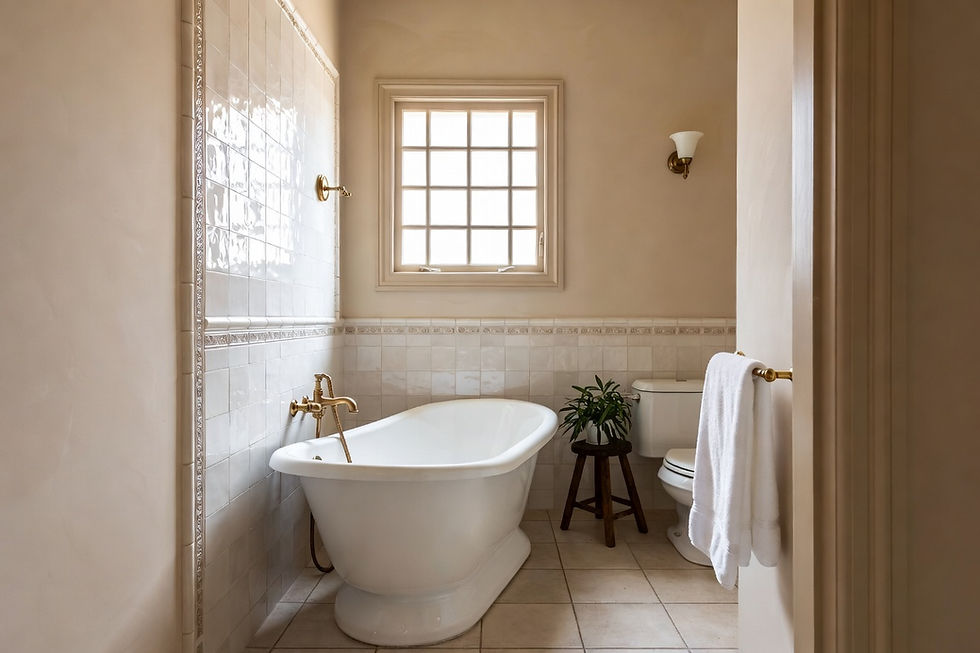
A small bathroom doesn't have to feel cramped, dark, or uncomfortable. While many homeowners assume that expanding a bathroom requires tearing down walls or investing in a costly renovation, the truth is that thoughtful design choices can dramatically change how a space looks and feels. By combining smart storage solutions, strategic lighting, carefully selected colors, and a few visual tricks, even the tiniest bathroom can appear significantly larger and more inviting.
Whether you're updating a guest bathroom, remodeling a powder room, or simply looking for affordable ways to improve your home's functionality, there are countless techniques that can maximize every square inch. The goal isn't necessarily to create more physical space—it's to create the illusion of space while making the room more efficient and enjoyable to use.
In this guide, we'll explore practical, stylish, and budget-friendly ideas that can help transform your small bathroom into a bright, open, and relaxing retreat—without knocking down a single wall.
Start with a Light and Cohesive Color Palette
Color is one of the most powerful tools in interior design, especially in compact spaces. Lighter colors naturally reflect more light, making walls appear farther apart and ceilings seem higher. Whites, ivory, soft gray, warm beige, pale blue, sage green, and muted pastels all create an airy atmosphere that instantly makes a bathroom feel larger.
Rather than creating strong contrasts between walls, ceilings, and trim, consider using a cohesive color palette throughout the room. Keeping similar shades across different surfaces allows the eye to travel uninterrupted, creating visual continuity and a greater sense of openness.
Monochromatic designs are particularly effective because they reduce visual clutter. Pairing white walls with light gray flooring and matching cabinetry, for example, creates a sophisticated, seamless appearance that feels clean and spacious.
Natural materials such as light wood accents can also add warmth without making the room feel heavy. The key is balancing brightness with subtle texture so the bathroom feels welcoming rather than sterile.
Maximize Natural and Artificial Light
Lighting has an enormous impact on how spacious a room feels. Dark corners make even moderately sized bathrooms seem smaller, while bright, evenly distributed light can completely transform the atmosphere.
If your bathroom has a window, make the most of it. Avoid heavy curtains or dark blinds that block sunlight. Instead, choose sheer window treatments or frosted glass that provide privacy while allowing daylight to filter through. If natural light is limited, focus on creating layered artificial lighting. Instead of relying on a single ceiling fixture, combine multiple light sources to eliminate shadows.
Consider including:
Recessed ceiling lights for overall illumination.
Vanity lights positioned beside or around the mirror.
LED strip lighting beneath floating cabinets.
Accent lighting inside niches or shelving.
Soft lighting above the shower area.
LED lighting is an excellent choice because it provides bright illumination while remaining energy efficient. Choosing bulbs with a neutral white color temperature (around 4000K) creates a clean, natural appearance that complements nearly every design style. The more evenly light is distributed throughout the room, the larger and more open the bathroom will appear.
Use Mirrors to Double the Sense of Space
Few design elements create a stronger illusion of spaciousness than mirrors. A strategically placed mirror reflects both light and surrounding surfaces, instantly making the room feel twice as large. Instead of installing a small mirror above the vanity, consider a mirror that spans the entire width of the sink area. Oversized mirrors create uninterrupted reflections that visually expand the room.
For an even more dramatic effect, some homeowners install wall-to-wall mirrors or mirrored medicine cabinets that combine style with functionality. Mirrors positioned opposite a window are particularly effective because they reflect natural light deeper into the room, making the entire space brighter throughout the day. Frameless mirrors work especially well in contemporary bathrooms because they blend seamlessly into the wall without adding visual weight.
Replace Shower Curtains with Frameless Glass
One of the quickest ways to visually enlarge a bathroom is by removing barriers that interrupt sightlines. Traditional shower curtains divide the room into separate sections, making the overall space appear smaller. Thick frames around shower doors can have a similar effect. Instead, choose a frameless glass shower enclosure or a clear glass panel. Because your eyes can see through the transparent surface, the shower becomes part of the room rather than a separate compartment.
If replacing the entire shower isn't in your budget, even switching from an opaque shower curtain to a clear one can create a noticeable difference.
Using the same tile inside and outside the shower further enhances this continuous visual flow, making the room appear significantly larger.
Choose Floating Fixtures
Floor space plays an important psychological role in how we perceive room size. The more visible flooring we can see, the bigger the room appears. Floating or wall-mounted fixtures help achieve this effect by exposing more of the floor.
Popular floating fixtures include:
Floating vanities
Wall-mounted sinks
Wall-hung toilets
Floating storage cabinets
Wall-mounted faucets
Besides making the room look larger, floating fixtures offer practical advantages. Cleaning becomes easier, dust accumulates less, and the bathroom gains a sleek, contemporary appearance. Slim-profile vanities with integrated sinks also help maintain clean lines while providing valuable storage.
Think Vertically for Storage
Small bathrooms rarely have extra floor space, but they often have underutilized wall space. Vertical storage allows you to keep necessities organized without crowding the room.
Some effective options include:
Tall linen cabinets.
Floating shelves.
Built-in shower niches.
Cabinets above the toilet.
Open shelving.
Storage above doorways.
Recessed medicine cabinets.
The goal is to keep countertops as clear as possible. Everyday items like toothbrushes, cosmetics, toiletries, and hair tools should have dedicated storage areas that keep them accessible without creating clutter. Open shelving can make the room feel lighter than bulky cabinetry, especially when neatly organized with matching baskets, folded towels, and decorative containers.
Select Large-Format Tiles
Many people assume small bathrooms require small tiles. Surprisingly, the opposite is often true. Large-format tiles reduce the number of grout lines, creating a cleaner, more continuous appearance. Fewer visual interruptions help walls and floors appear larger.
Popular tile sizes include:
12" x 24"
24" x 24"
24" x 48"
Extending the same flooring throughout the bathroom—including the shower floor when appropriate—creates visual continuity that further expands the space.
Large marble-look porcelain tiles are particularly popular because they combine elegance with low maintenance. Keeping grout colors close to the tile color also minimizes contrast, allowing surfaces to blend together seamlessly.
Embrace Minimalist Design
Minimalism isn't just a design trend—it is one of the most effective strategies for making small spaces feel larger. Every unnecessary decoration, oversized accessory, or bulky piece of furniture competes for visual attention and makes the room feel crowded. Instead, focus on simplicity. Choose fixtures with clean lines, streamlined hardware, and uncomplicated shapes.
Limit decorative accessories to just a few carefully selected pieces, such as:
A small vase.
A candle.
A framed print.
A decorative soap dispenser.
A neatly folded towel display.
Hidden storage is another hallmark of minimalist bathrooms. The fewer everyday items visible, the calmer and more spacious the room feels. Remember that negative space—the empty areas between objects—is just as important as the objects themselves.
Create Visual Continuity
One reason small bathrooms feel cramped is that abrupt changes in materials, colors, or finishes interrupt the eye's movement. Creating continuity helps eliminate these visual breaks.
Some effective strategies include:
Matching wall and floor colors.
Extending tile to the ceiling.
Using consistent hardware finishes.
Choosing similar tones for cabinetry and walls.
Installing continuous flooring throughout adjacent spaces.
Even using matching towels, rugs, and accessories contributes to a more unified design. The less contrast there is between different elements, the larger the room appears.
Add Depth with Texture Instead of Color
While bold colors can overwhelm a compact bathroom, texture adds interest without making the room feel smaller.
Consider incorporating subtle textures through:
Stone-look porcelain tile.
Wood grain vanities.
Ribbed glass.
Matte finishes.
Woven baskets.
Linen shower curtains.
Textured ceramic accessories.
These materials create dimension while maintaining the light, cohesive aesthetic that makes small spaces feel larger. Layering different textures also gives the bathroom a luxurious, designer-inspired appearance.
Keep the Floor as Visible as Possible
An unobstructed floor creates one of the strongest impressions of spaciousness.
Whenever possible, avoid placing unnecessary items directly on the floor.
Instead:
Mount the toilet brush on the wall.
Use floating storage.
Install towel hooks instead of floor stands.
Store laundry baskets inside cabinets.
Choose slim waste bins.
Even replacing a bulky vanity with one that has exposed legs can reveal additional flooring and make the room feel more open. The more continuous the floor appears, the larger the bathroom will seem.
Incorporate Smart Decorative Elements
Decor should complement the room without overwhelming it. A few carefully chosen accessories can make the bathroom feel polished while maintaining an open aesthetic.
Excellent decorative additions include:
Small indoor plants such as pothos, snake plants, or ferns.
Minimalist artwork.
Neutral-colored towels.
Decorative trays.
Glass containers for cotton swabs or bath salts.
Avoid overcrowding shelves with too many decorative objects. Instead, think in terms of intentional styling where every accessory serves either a functional or visual purpose.
Keep Everything Organized
No design trick can compensate for clutter. Even a beautifully designed bathroom will feel cramped if countertops are covered with products, towels are piled everywhere, and cabinets are overflowing.
Develop simple organizational habits such as:
Returning items to their designated storage areas.
Keeping only daily essentials on the counter.
Regularly discarding expired products.
Using drawer organizers.
Grouping similar items together.
Small storage bins and labeled containers can dramatically improve organization while making cabinets easier to navigate. An organized bathroom naturally feels larger because there are fewer visual distractions competing for attention.
Consider the Ceiling
Ceilings are often overlooked during bathroom renovations, yet they play a significant role in spatial perception.Painting the ceiling the same color as the walls—or just slightly lighter—helps blur boundaries and makes the room feel taller.
Vertical wall tiles, tall mirrors, and floor-to-ceiling cabinetry also emphasize height.
If your bathroom has high ceilings, drawing attention upward with elegant lighting or subtle architectural details can make the entire room feel more expansive.
Final Thoughts
Creating the illusion of a larger bathroom doesn't require expensive structural renovations or knocking down walls. Instead, it comes down to making thoughtful design decisions that maximize light, improve organization, and encourage visual continuity.
By choosing a light color palette, installing larger mirrors, incorporating frameless glass, selecting floating fixtures, embracing minimalist design, and keeping clutter under control, you can completely transform how your bathroom looks and feels.
Remember that small spaces often benefit the most from careful planning. Every design decision—from the color of the walls to the placement of a towel hook—can influence how spacious the room appears.
Whether you're planning a complete remodel or simply making a few affordable updates, these ideas can help you create a bathroom that feels brighter, more functional, and far more luxurious than its actual square footage suggests.
A well-designed small bathroom proves that you don't need more space to enjoy greater comfort—you simply need smarter design.
Have you transformed a small bathroom using any of these ideas? We'd love to hear about your experience. Share your favorite space-saving tips, design tricks, or before-and-after transformations in the comments below, and inspire other homeowners to make the most of every square foot.


Comentarios