

How to Preserve Your Bathroom Cabinets and Nightstands: A Complete Guide to Preventing Moisture Damage and Extending Their Lifespan

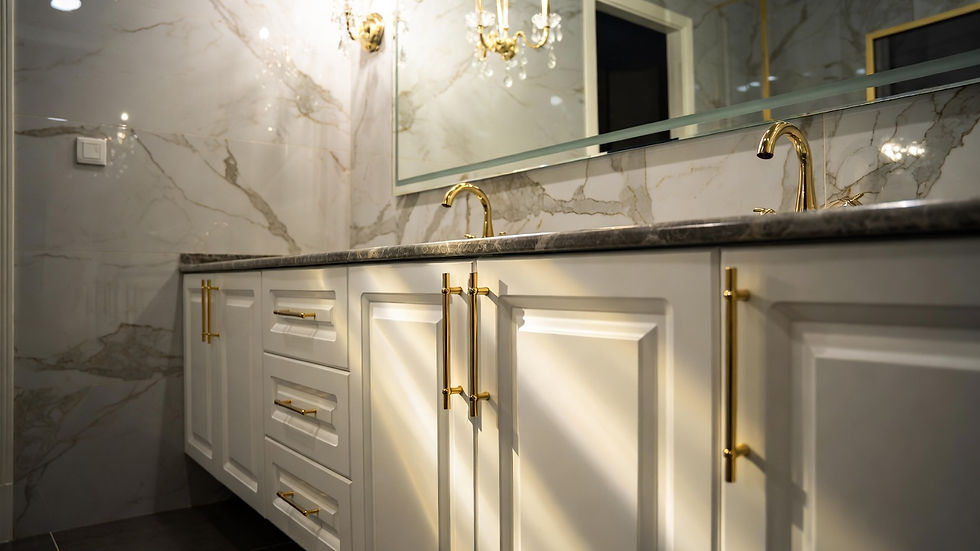
Bathroom cabinets, vanities, and storage nightstands play an essential role in keeping your space organized and functional. They store toiletries, towels, personal care products, and everyday essentials while contributing to the overall design and style of your bathroom. However, because bathrooms are naturally exposed to moisture, humidity, water splashes, and temperature fluctuations, these furniture pieces often experience more wear and tear than furniture in other parts of the home.
Why Bathroom Furniture Requires Special Care
Unlike furniture placed in bedrooms or living rooms, bathroom cabinets and storage units face constant exposure to environmental stress. Every hot shower releases steam into the air. Water splashes from sinks and bathtubs can accumulate around furniture bases and edges. Personal care products may spill or leak onto surfaces, while poor ventilation can trap humidity inside the room for extended periods.
Over time, these factors can compromise both the appearance and structural integrity of bathroom furniture.
Common threats include:
Excess humidity
Water splashes
Condensation
Mold and mildew
Chemical spills from personal care products
Dust accumulation
Temperature fluctuations
Understanding these risks is the first step toward protecting your investment.
Understanding Common Bathroom Furniture
Materials
Different materials react differently to moisture exposure.
Solid Wood
Solid wood furniture offers beauty and durability but remains vulnerable to excessive moisture. Without proper sealing and maintenance, wood can expand, contract, crack, or warp.
MDF (Medium-Density Fiberboard)
Many modern bathroom cabinets are made from MDF because it is affordable and smooth. However, MDF is particularly sensitive to water. Once moisture penetrates the protective finish, swelling can occur quickly.
Particle Board
Particle board is commonly used in budget-friendly furniture.
It performs adequately in dry environments but can deteriorate rapidly if exposed to standing water.
Plywood
High-quality plywood tends to resist moisture better than MDF or particle board, making it a popular choice for bathroom cabinetry.
PVC and Composite Materials
These materials offer excellent moisture resistance and require less maintenance than wood-based alternatives.
The Biggest Threat: Bathroom Humidity
Humidity is often more damaging than direct water contact.
Even when furniture never gets splashed, moisture in the air can slowly penetrate finishes and affect internal components.
Signs of humidity-related damage include:
Swollen panels
Peeling laminate
Sticky drawers
Warped doors
Musty odors
Mold growth
Controlling bathroom humidity is one of the most effective ways to preserve furniture.
Improve Bathroom Ventilation
Proper ventilation dramatically reduces moisture buildup.
Use an Exhaust Fan
Run the exhaust fan during showers and for at least 20 minutes afterward.
This helps remove humid air before it settles onto furniture surfaces.
Open Windows When Possible
Natural airflow can significantly reduce humidity levels.
Even opening a window for a short period can improve air circulation.
Leave Doors Open
After showering, leave the bathroom door open to allow excess moisture to escape.
Wipe Away Water Immediately
Small water droplets may seem harmless, but repeated exposure can gradually damage furniture.
Pay special attention to:
Countertop edges
Cabinet doors
Drawer fronts
Furniture legs
Areas around plumbing fixtures
Using a microfiber cloth to quickly dry wet surfaces can prevent long-term problems.
Protect Furniture from Sink Splashing
Bathroom sinks are a common source of moisture damage.
Everyday activities such as washing hands, brushing teeth, and shaving can leave water droplets on nearby surfaces.
To minimize exposure:
Dry countertops regularly
Wipe cabinet fronts after heavy use
Repair leaking faucets promptly
Use splash guards if necessary
Consistent attention to these small details can significantly extend furniture life.
Clean Bathroom Furniture Properly
Cleaning products and techniques matter.
Dust Regularly
Dust may seem harmless, but when combined with moisture, it can create grime that dulls finishes. Use a soft microfiber cloth weekly.
Use Gentle Cleaning Solutions
A mixture of warm water and mild soap is usually sufficient.
Avoid:
Abrasive cleaners
Harsh chemicals
Bleach
Ammonia-based products
These substances can damage protective coatings and finishes.
Dry After Cleaning
Never leave surfaces wet after cleaning.
Always finish by wiping with a dry cloth.
Prevent Mold and Mildew Growth
Bathrooms create ideal conditions for mold and mildew.
To reduce risk:
Keep humidity under control
Clean regularly
Address leaks immediately
Improve ventilation
Inspect hidden corners periodically
Early intervention prevents larger issues from developing.
Check for Plumbing Leaks Frequently
Many furniture problems originate from hidden leaks.
Inspect areas beneath sinks regularly for:
Water stains
Damp surfaces
Musty smells
Swollen cabinet floors
Dripping pipes
Even a small leak can cause significant damage if left unnoticed.
Protect Cabinet Interiors
The inside of cabinets deserves as much attention as the exterior.
Store liquids carefully and inspect containers periodically.
Common products that may leak include:
Mouthwash
Liquid soap
Cleaning products
Hair care products
Cosmetic items
Consider using waterproof shelf liners to provide an extra layer of protection.
Preserve Hardware and Hinges
Moisture affects more than wood surfaces.
Metal components can also deteriorate over time.
Inspect:
Hinges
Drawer slides
Handles
Knobs
Mounting screws
If necessary, tighten loose hardware and remove any signs of corrosion before they worsen.
Avoid Overloading Drawers and Shelves
Bathroom storage furniture is designed to support specific weight limits.
Overloading shelves can cause:
Sagging panels
Misaligned doors
Damaged drawer tracks
Structural stress
Distribute weight evenly and avoid storing excessively heavy items.
Seasonal Maintenance Tips
Different times of year may require additional care.
Summer
High humidity levels often increase moisture exposure.
Use a dehumidifier if necessary.
Winter
Warm showers combined with colder surfaces can create condensation.
Increase ventilation after bathing.
Spring and Fall
These seasons are excellent opportunities to inspect furniture for early signs of damage.
Warning Signs Your Bathroom Furniture Needs Attention
Watch for these common indicators:
Peeling finishes
Swollen edges
Difficulty opening drawers
Warped cabinet doors
Persistent odors
Rusty hardware
Mold spots
Discoloration
Addressing these issues early can prevent costly repairs or replacement.
Long-Term Furniture Preservation Strategies
For maximum longevity:
Maintain proper ventilation
Clean regularly
Dry wet surfaces immediately
Repair leaks promptly
Use moisture-resistant organizers
Inspect hardware routinely
Avoid harsh chemicals
Control indoor humidity levels
These habits require minimal effort but provide significant long-term benefits.
Final Thoughts
Bathroom cabinets, vanities, and storage nightstands are valuable investments that contribute both functionality and style to your home. While constant exposure to moisture presents unique challenges, proper maintenance can dramatically extend their lifespan and preserve their appearance.
The key to protecting bathroom furniture is simple: control humidity, minimize water exposure, clean surfaces regularly, and address problems before they become serious. By following these best practices, homeowners can prevent common forms of moisture damage and keep their bathroom furniture looking attractive, sturdy, and functional for many years to come. With a little consistent care, your bathroom cabinets and storage furniture can continue serving your household while maintaining the clean, polished look that makes a bathroom feel comfortable and inviting.


Comentarios